


Artificial Grass and Water Conservation: A Smart Lawn Solution That Saves Thousands of Gallons
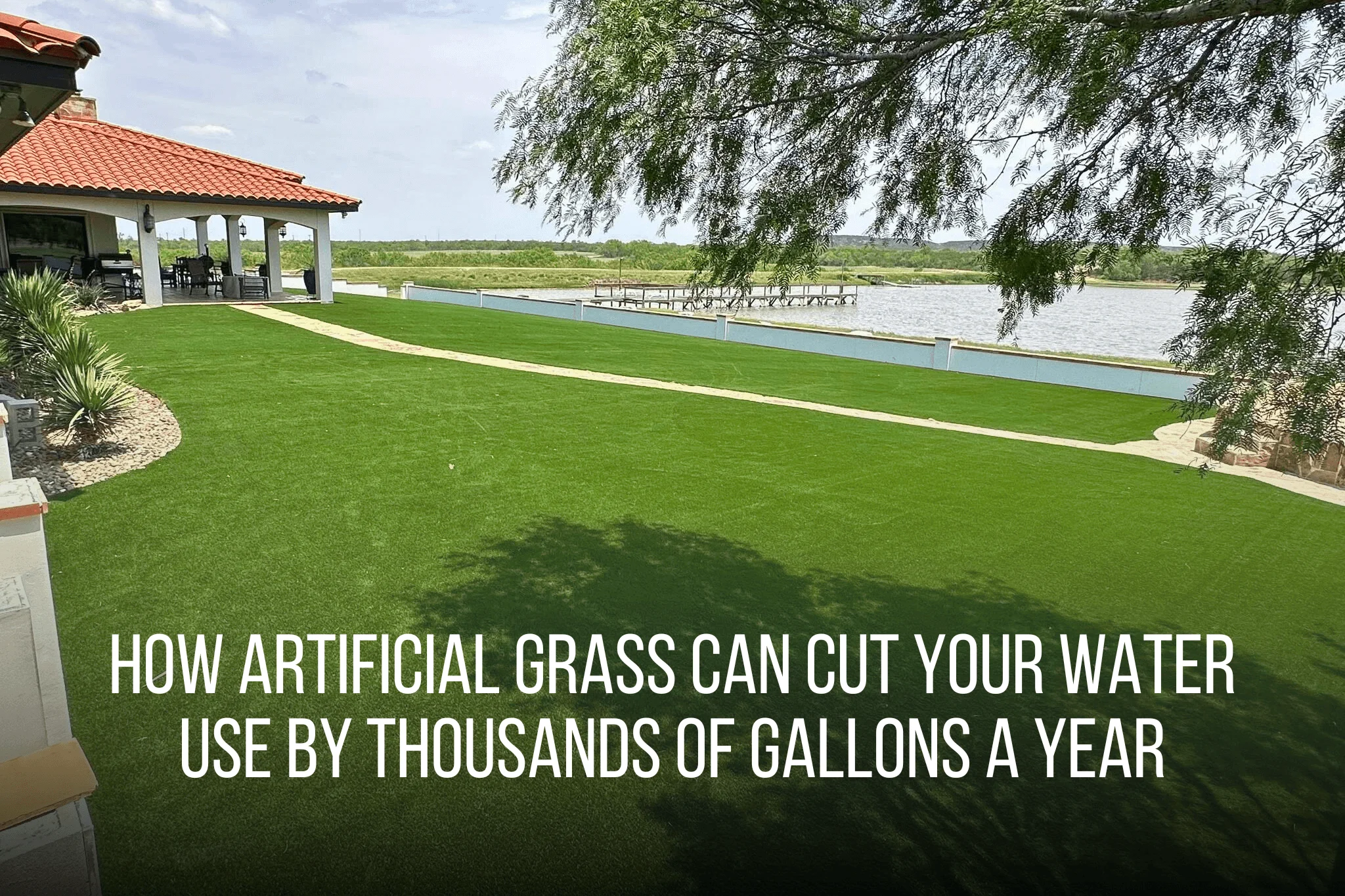
Water is one of the most valuable resources we have and in many regions, it’s also one of the most limited. As droughts become more frequent and water bills rise, homeowners are rethinking how they care for their lawns. Traditional grass, while beautiful, comes with a hefty environmental and financial cost. That’s where artificial grass steps in.
Let’s explore how synthetic turf helps conserve water, why it’s an environmentally responsible choice, and how it can benefit your property without sacrificing curb appeal.
Why Lawns Are a Major Water Consumer
Lawns account for a surprising percentage of residential water use. In fact, theEPAestimates that outdoor irrigation can make up 30–60% of total household water consumption in warm climates. In areas like Texas, California, Arizona, and Nevada, that number can be even higher.
Here’s the breakdown:
- A 1,000-square-foot lawn can require up to 35,000 gallons of water per year.
- Watering just three times a week can waste hundreds of gallons due to runoff, evaporation, and oversaturation.
- Sprinkler systems are notoriously inefficient. Up to 50% of water can be lost to wind, evaporation, or leaks.
This level of consumption isn’t just expensive, it’s unsustainable, especially during droughts or in communities with water restrictions.
How Artificial Grass Helps Save Water
Artificial turf eliminates the need for regular watering entirely. Unlike natural grass, it doesn’t need irrigation to stay green or healthy. Here’s how it contributes directly to water conservation:
1. Zero Daily Watering Requirements
- No regular irrigation needed,just occasional rinsing for dust, pollen, or pet mess. That uses only a fraction of the water compared to natural grass.
- Homeowners can save up to 55 gallons/sq ft annually(≈ 99,000 gallons for an 1,800 sq ft lawn).
2. Compliance With Drought Restrictions
Cities and water agencies often enforce irrigation restrictions during drought seasons. Artificial turf naturally complies with these rules, helping you avoid fines or citations while maintaining an attractive landscape.
Some municipalities even offer rebates or incentives to homeowners who replace grass with water-efficient alternatives like artificial turf.San Antonio Water System (SAWS)andLADWPare two examples.
3. No Runoff or Overwatering
Overwatering can cause soil erosion, nutrient runoff, and pooling. Turf systems are designed with engineered drainage layers that allow rainwater to pass through and into the ground, reducing pressure on stormwater systems.
Fun fact:Drainage rates for many turf products exceed 30 inches per hour.
Environmental Impact Beyond Water Conservation
Water savings are only one part of the equation. Switching to artificial turf also reduces environmental impact in several other key areas.
1. No Need for Chemicals
With turf, there’s no need to apply:
- Fertilizers
- Herbicides
- Pesticides
These chemicals often find their way into the water table through runoff, impacting rivers, lakes, and local wildlife. Artificial grass helps prevent that contamination.
2. Reduced Emissions
Gas-powered lawn equipment such as mowers, blowers, and trimmers emit significant amounts of carbon and other pollutants. Eliminating lawn mowing means:
- Lower emissions
- Less noise pollution
- Less use of fossil fuels
According to theEPA, one gas-powered lawn mower emits as much pollution in one hour as 11 cars.
3. Waste Reduction
Natural grass requires clippings, trimmings, and seasonal dethatching all of which add to landfill waste. Artificial turf requires no such upkeep.
Real-World Benefits for Homeowners
Installing artificial turf isn’t just about protecting the environment, it also creates everyday practical benefits for families and property owners.
Lower Utility Bills
In drought-prone regions, high water usage can lead to hefty monthly bills. By removing your lawn from the equation, artificial turf helps you reduce your water bill significantly over time.
Consistent Appearance
Even during the hottest, driest months, your yard will stay green and vibrant without any effort. No dead patches. No overgrown sections. Just a clean turf, polished look 365 days a year.
HOA and Neighborhood Compliance
If you live in a community with strict appearance standards, artificial turf ensures your yard always meets visual expectations while staying within water-use rules.
Common Water-Saving Questions About Turf
Does artificial turf get hot in the sun?
Yes, it can warm up on extremely hot days. However, there are cool turf technologies and heat-reducing infills available that help minimize surface temperature.
What about rain and drainage?
Most turf systems have a perforated backing that allows water to drain into a sub-base layer. Proper installation ensures there’s no pooling or runoff even in heavy rain.
Do I need to clean it with water often?
Not frequently. Light rinsing is recommended for dusty areas or after pet use, but this uses a fraction of the water required by natural grass.
Is turf recyclable?
Yes. Many newer turf productsare made with recyclable materials or can be recycled at the end of their lifespan. Check with your installer or manufacturer.
FAQs & Supporting Data Links
Q: How much water does a natural vs. turf lawn use?
- A natural 1,000 sq ft lawn typically uses 35,000–55,000 gallons annually; turf cuts that by more than half.
Q: What about runoff or stormwater effects?
- Engineered turf drains rainwater efficiently; studies show reduced nutrient runoff compared to fertilized lawns.
Q: Are there alternative landscaping strategies I can combine with turf?
- Yes, integrating xeriscapeelements (mulch, native plants, drip lines) can cut water needs drastically and improve ecological value.
Ready to Save Water and Still Love Your Lawn?
At Amazing Turf and Lawn, we believe in sustainability that doesn’t compromise beauty. By switching to artificial grass, you can conserve thousands of gallons of water every year—while enjoying a vibrant, low-maintenance yard that looks great in every season.
👉 Schedule your free consultationwith our team today and explore eco-friendly turf options designed for your home and climate.
Let’s transform your outdoor space into something greener by using less green.